


Coconut water offers more than just tropical refreshment. Here’s a glance at its key potential advantages, explored in more detail throughout this guide:
- Hydration Powerhouse: Primarily composed of water (about 94%), it’s excellent for hydration. Its natural electrolyte content—especially potassium, plus sodium, magnesium, and calcium—makes it particularly effective for replenishing fluids and minerals lost through sweat during exercise or illness.
- Rich in Key Nutrients: Beyond electrolytes, it provides essential minerals like manganese and may contribute Vitamin C (though levels can vary). It naturally contains carbohydrates (sugars) and a small amount of protein and fiber.
- Electrolyte Balance for Muscles: The electrolytes, particularly potassium and magnesium, play a vital role in proper muscle function and may help prevent muscle cramps associated with dehydration or mineral imbalances.
- Heart Health Support: Being exceptionally rich in potassium, coconut water can contribute to healthy blood pressure levels by helping to balance sodium effects, a key factor in cardiovascular wellness.
- Source of Antioxidants: Contains compounds like cytokinins and potentially Vitamin C and other phenolics, which may help neutralize damaging free radicals and combat oxidative stress in the body (though more human research is beneficial).
- Digestive Wellness: Staying hydrated supports overall digestion. While coconut water contains some fiber (amounts vary) and natural enzymes, its primary digestive benefit likely stems from its fluid content promoting regularity.
- Potential Blood Sugar Considerations: While some preliminary animal research suggests potential benefits for blood sugar control (possibly linked to magnesium), it’s important to remember coconut water contains natural sugars. Individuals monitoring blood sugar should consume it in moderation and account for its carbohydrate content.
- Skin Health Potential: Good hydration is fundamental for healthy skin. The antioxidants in coconut water might also offer protective benefits against cellular damage, contributing to skin wellness, although direct, significant anti-aging effects from consumption require more evidence.
- Emerging Research Areas: Studies are ongoing into other potential benefits, such as supporting kidney function (primarily through hydration and potassium), aiding weight management (as a lower-calorie alternative to sugary drinks), and potentially reducing inflammation, but more robust human trials are needed to confirm these effects.
What Exactly Is Coconut Water?
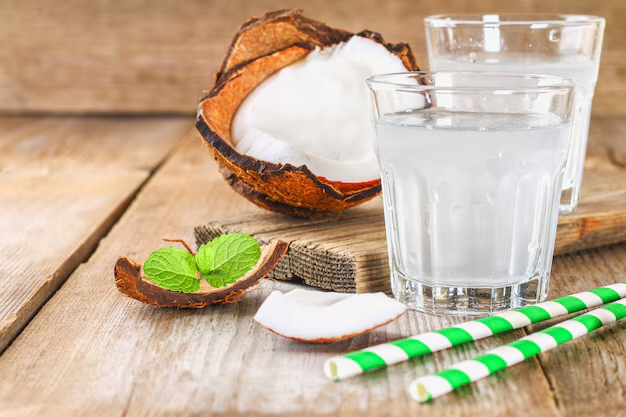
First things first, let’s clear up any confusion. Coconut water is the clear liquid harvested from the center of young, green coconuts (typically around 6-7 months old). It’s naturally filtered and contains about 94% water, along with electrolytes and natural sugars.
It’s crucial not to confuse coconut water with coconut milk. Coconut milk is a processed product made by grating the flesh of mature brown coconuts and mixing it with water. Coconut milk is much higher in fat (especially saturated fat) and calories and has a creamy white appearance and rich texture, primarily used in cooking (like curries and desserts). Coconut water, on the other hand, is thin, translucent, and primarily consumed as a beverage.
Nutritional Profile of Coconut Water
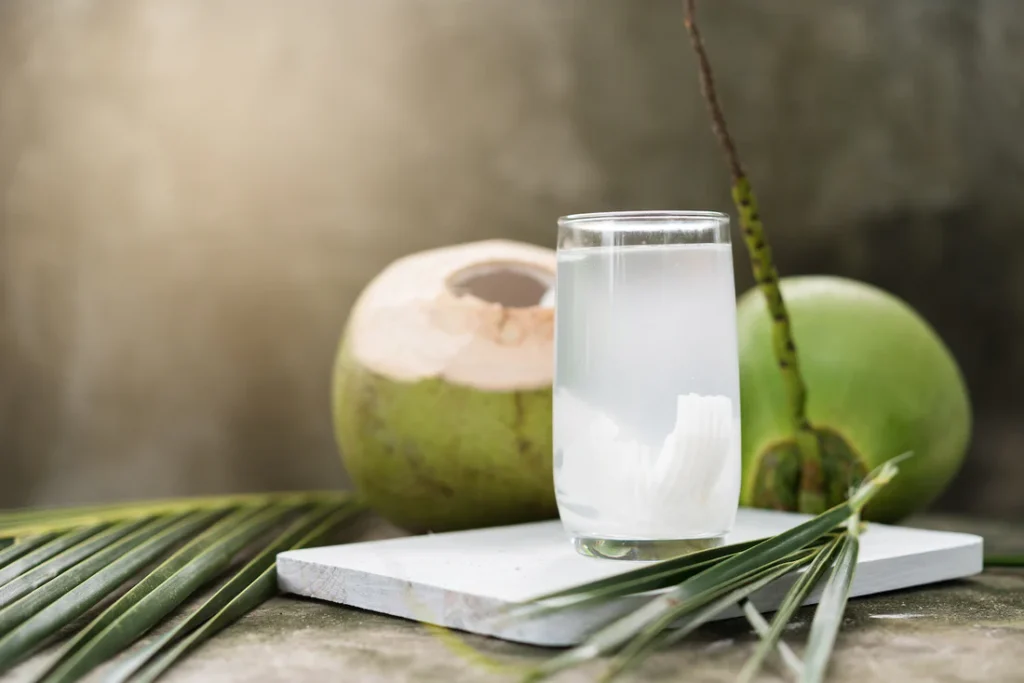
What makes coconut water stand out is its nutrient composition. While exact amounts can vary based on the coconut’s maturity, origin, and processing, here’s a typical nutritional snapshot for one cup (about 8 ounces or 240ml) of unsweetened coconut water:
- Calories: Around 45-60
- Carbohydrates: 9-15 grams (mostly natural sugars like glucose, sucrose, and fructose)
- Fiber: 0-3 grams
- Protein: Around 1-2 grams
- Fat: Less than 1 gram
- Potassium: 400-600 mg (approx. 10-17% of the Daily Value – DV) – This is a significant amount!
- Sodium: 40-250 mg (approx. 2-11% DV) – Can vary significantly between brands
- Magnesium: 15-60 mg (approx. 4-15% DV)
- Calcium: 40-60 mg (approx. 4-6% DV)
- Manganese: Around 0.3 mg (approx. 15% DV)
- Vitamin C: Can contribute around 10% of the DV, though this can be reduced by pasteurization.
- Other Nutrients: Contains small amounts of B vitamins, cytokinins (plant hormones with potential antioxidant effects), and enzymes
The Health Benefits of Coconut Water

Now, let’s explore the specific ways drinking coconut water might benefit your health.
#1. Superior Hydration and Electrolyte Replenishment
This is perhaps coconut water’s most well-known benefit. Staying hydrated is crucial for nearly every bodily function, including temperature regulation, nutrient transport, organ function, and mood. Coconut water is mostly water (about 94%), making it inherently hydrating.
What gives it an edge over plain water, especially after sweating, is its electrolyte content. Electrolytes are minerals that carry an electric charge and are vital for:
- Balancing fluid levels in your body
- Regulating nerve and muscle function (including heart contractions)
- Maintaining proper blood pH
When you sweat heavily (during intense exercise, hot weather, or illness like vomiting or diarrhea), you lose both fluids and electrolytes. Coconut water naturally provides key electrolytes:
- Potassium: Crucial for fluid balance and muscle contractions. Coconut water is particularly rich in potassium.
- Sodium: Important for fluid retention and nerve impulses.
- Magnesium: Involved in muscle function and energy production.
- Calcium: Plays a role in muscle contractions and bone health.
Replacing these lost electrolytes along with fluids can help prevent dehydration symptoms like fatigue, dizziness, and muscle cramps, potentially making coconut water more effective than plain water for rehydration in certain situations.
#2. An Excellent Source of Potassium
Coconut water truly shines when it comes to potassium. A single cup can provide as much or even more potassium than a medium banana! Why is potassium so important?
- Blood Pressure Regulation: Potassium helps balance out the negative effects of sodium on blood pressure. It encourages the kidneys to excrete excess sodium and helps relax blood vessel walls, potentially lowering blood pressure. Adequate potassium intake is a cornerstone of heart-healthy diets like the DASH diet.
- Heart Health: By helping manage blood pressure and potentially regulating heartbeat, potassium contributes to overall cardiovascular health.
- Nerve Function: Potassium is essential for transmitting nerve signals throughout the body.
- Muscle Contractions: It plays a key role in smooth and skeletal muscle contractions.
- Fluid Balance: Works closely with sodium to maintain proper fluid balance inside and outside cells.
Given that many modern diets are high in sodium and low in potassium, incorporating potassium-rich foods and beverages like coconut water can be beneficial for restoring this balance.
#3. May Possess Antioxidant Properties
Our bodies naturally produce unstable molecules called free radicals during metabolism. External factors like pollution, smoking, and poor diet can increase their levels. An excess of free radicals leads to oxidative stress, which can damage cells and contribute to inflammation and chronic diseases like heart disease, diabetes, and cancer.
Antioxidants are substances that can neutralize these harmful free radicals. Coconut water contains several compounds with potential antioxidant activity:
- Vitamin C: A well-known antioxidant (though levels can decrease with processing).
- Manganese: An essential mineral that’s a component of antioxidant enzymes.
- Cytokinins: Plant hormones found in coconut water that have shown antioxidant and anti-aging effects in lab studies.
- Other Phenolic Compounds: Some research suggests the presence of other minor antioxidant compounds.
While much of the direct research on coconut water’s antioxidant effects has been done in animals or test tubes, the results are promising. For example, animal studies have shown that coconut water can reduce markers of oxidative stress.
#4. Supports Heart Health
Beyond its potassium content’s positive impact on blood pressure, some research suggests coconut water might offer other heart-protective benefits:
- Cholesterol Levels: Some older animal studies indicated that coconut water consumption might help lower total cholesterol, LDL (“bad”) cholesterol, and triglycerides, particularly in rats fed high-fat diets. The mechanisms aren’t fully understood but could relate to its mineral content or other bioactive compounds.
- Blood Clotting: Preliminary animal research also suggested it might have anti-thrombotic activity, potentially reducing the risk of blood clots.
#5. Blood Sugar Levels (in Specific Contexts)
This is another area where research is emerging, mostly from animal studies involving diabetic rats. Some findings suggest that coconut water might help:
- Improve Blood Sugar Control: Studies showed lower blood glucose levels and markers like HbA1c (a measure of long-term blood sugar control) in diabetic animals given coconut water.
- Increase Insulin Sensitivity: Potential mechanisms could involve its magnesium content (magnesium plays a role in insulin sensitivity) or other compounds.
#6. May Help Prevent Kidney Stones
Kidney stones form when compounds like calcium, oxalate, and uric acid crystallize in the urine. Staying adequately hydrated is the most important preventive measure, as it helps dilute the urine and flush out these compounds.
Coconut water contributes to overall fluid intake. Additionally:
- Potassium Content: Some research suggests that potassium can help prevent stones by binding with calcium in the urine, reducing the formation of calcium oxalate crystals (the most common type of kidney stone).
- Early Research: A small study in rats showed that coconut water prevented crystals from sticking to the kidneys and reduced the number of crystals in the urine. A very small human study suggested it increased the urination of potassium, chloride, and citrate, potentially helping flush the system.
While promising, more large-scale human studies are needed. However, its hydrating properties and potassium content make it a potentially helpful beverage for those prone to kidney stones, as part of a broader prevention strategy advised by a doctor.
#7. Beneficial for Post-Exercise Recovery
Combining several of its benefits, coconut water can be a great natural option after a moderate workout:
- Rehydration: Replenishes fluids lost through sweat.
- Electrolyte Replacement: Restores potassium, sodium, and magnesium.
- Natural Carbohydrates: Provides some natural sugars to help replenish glycogen stores (muscle energy).
Compared to high-sugar sports drinks, it offers electrolytes with fewer calories, less sugar, and no artificial colors or sweeteners.
For very long or intense exercise (e.g., >90 minutes), a traditional sports drink with more carbohydrates and sodium might be necessary, but for moderate workouts or general rehydration, coconut water is an excellent choice.
Coconut Water vs. Sports Drinks vs. Plain Water

| Feature | Coconut Water | Sports Drinks | Plain Water |
| Hydration | Excellent | Excellent | Good (Baseline) |
| Electrolytes | Good source (esp. Potassium) | Formulated (often higher Sodium) | Minimal |
| Carbs/Sugar | Moderate (Natural Sugars) | Often High (Added Sugars) | Zero |
| Calories | Low-Moderate | Moderate-High | Zero |
| Nutrients | Potassium, Magnesium, Manganese | Often Fortified (Vitamins) | Minimal (maybe Fluoride) |
| Best For | Moderate exercise, daily hydration, natural electrolyte boost | Intense/long exercise, rapid carb/electrolyte replacement | Everyday hydration, calorie-free |
| Potential Cons | Natural sugar content, variable sodium, cost | High sugar, artificial ingredients, calories | Lacks electrolytes for heavy sweat loss |
Potential Downsides
While generally healthy, coconut water isn’t without a few points to keep in mind:
- Calories and Sugar: Although lower than sodas and many fruit juices, the calories (45-60 per cup) and natural sugars (9-15g per cup) can add up if consumed in large quantities, especially if weight management or strict sugar control is a goal. Always choose unsweetened varieties.
- Sodium Content: This can vary widely between brands. If you need to monitor your sodium intake, check the labels carefully.
- Digestive Issues: Drinking large amounts might cause bloating or stomach upset in some individuals due to its natural sugars and mineral content.
- Kidney Disease: People with kidney disease need to regulate their fluid and potassium intake carefully. Due to its high potassium content, coconut water might not be suitable for everyone with kidney issues – consult a doctor first.
- Allergies: While rare, coconut allergies exist.
- Not a Miracle Drink: It’s a healthy beverage option but shouldn’t be seen as a cure-all. It’s most beneficial as part of a balanced diet.
Choosing the Best Coconut Water
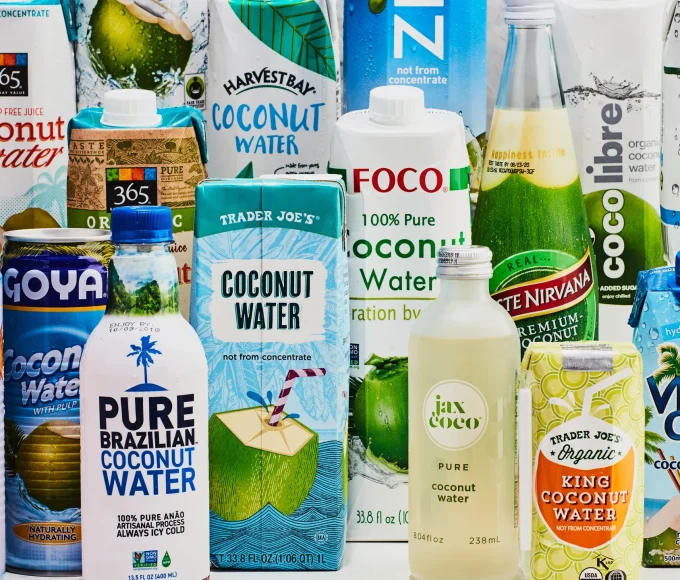
Navigating the options can be tricky. Here’s what to look for:
- 100% Coconut Water: Check the ingredients list. Avoid brands with added sugars, flavors, or preservatives. The only ingredient should be coconut water (sometimes with a tiny amount of Vitamin C added as a preservative, which is acceptable).
- Not from Concentrate: While often fine, “from concentrate” means water was removed and then added back, which can sometimes affect flavor and nutrient levels slightly compared to fresh-pressed.
- Check Expiration Dates: Like any natural product, it has a shelf life.
- Pasteurized vs. Raw: Most commercially available coconut water is pasteurized (briefly heated) to kill bacteria and extend shelf life. Raw coconut water has a shorter shelf life and needs refrigeration but may retain slightly more enzymes and volatile compounds (though major nutrient differences are often minimal).
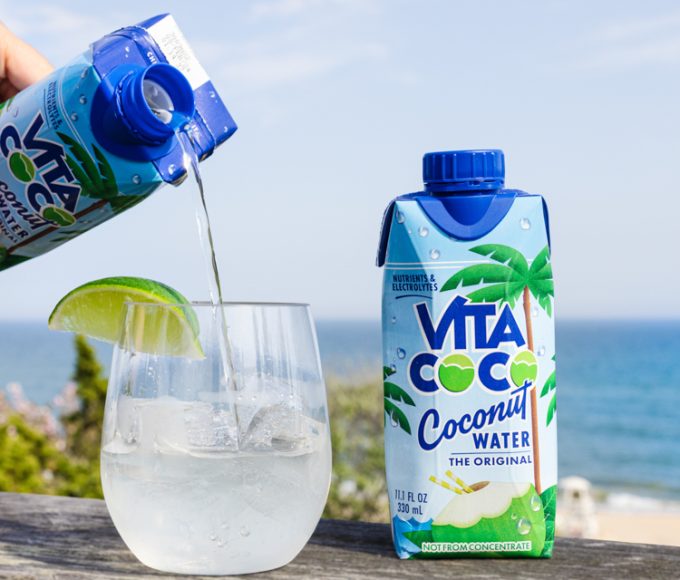
- Packaging: Available in cans, bottles (glass or plastic), and Tetra Paks. Tetra Paks often offer good protection from light, which can degrade some nutrients.
Creative Ways to Enjoy Coconut Water
Think beyond just drinking it straight from the container:
- Smoothie Base: Use it as the liquid base for fruit and vegetable smoothies for added nutrients and a tropical hint.
- Natural Popsicles: Freeze coconut water on its own or with pieces of fruit for a refreshing, healthy treat.
- Salad Dressings: Whisk it with lime juice, olive oil, and herbs for a light vinaigrette.
- Cooking Liquid: Use it instead of plain water when cooking rice or quinoa for a subtle flavor infusion.
- Cocktail/Mocktail Mixer: Adds a hydrating, low-sugar element to drinks.
Wrapping Up
Coconut water stands out as a naturally refreshing beverage packed with electrolytes, particularly potassium, and offering excellent hydration with fewer calories and sugars than many alternatives. Its potential benefits for heart health, blood sugar control, and kidney stone prevention are intriguing, though more human research is often needed to solidify these claims.
It’s a fantastic choice for rehydrating after moderate exercise, boosting your potassium intake, or simply enjoying a flavorful, low-calorie drink. While not a magic bullet, unsweetened coconut water is undoubtedly a healthy addition to a balanced diet.





Leave a comment