


So, does coconut oil go bad? Yes. Even though it lasts way longer than other oils, it can still expire. And when it does, it loses all the good stuff you love it for—plus it can get downright gross.
Let’s break down how long coconut oil lasts, how to store it properly, how to tell if it’s gone bad, and what to do with it if it has.
- How Long Does Coconut Oil Last?
- What Makes Coconut Oil Go Bad?
- How to Tell if Coconut Oil Has Gone Bad
- Is It Okay if My Coconut Oil Melts and Re-Solidifies?
- How to Store Coconut Oil So It Lasts
- How Coconut Oil Compares to Other Oils
- How to Choose the Right Coconut Oil
- Smart Ways to Use Expired Coconut Oil
- Wrapping Up
- Frequently Asked Questions
How Long Does Coconut Oil Last?

Coconut oil has a longer shelf life than most other oils—like olive or flaxseed—because it’s mostly saturated fat, which makes it more stable. But no oil lasts forever.
| Type of Coconut Oil | Unopened Shelf Life | Opened Shelf Life |
| Refined | 24 months | 12–18 months |
| Unrefined (Virgin) | 18 months | 6–12 months |
Quick Tip: If your jar has a “best by” date, use that as a guide—not a hard rule. You still need to check the smell, texture, and color to know for sure.
What Makes Coconut Oil Go Bad?
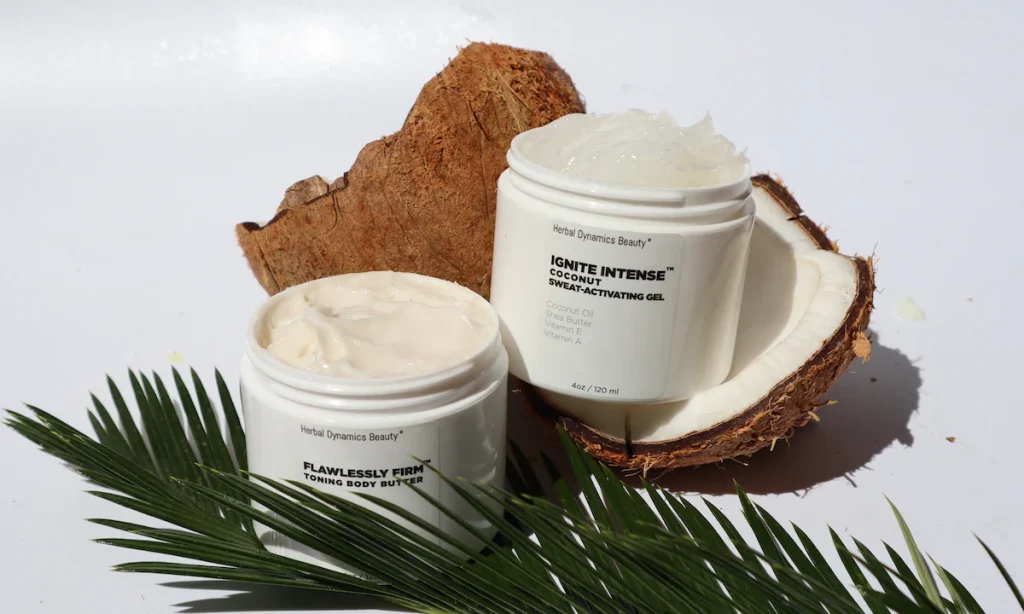
Even the most shelf-stable oils break down over time. The culprits? Air, heat, light, and moisture. Here’s how they mess with your coconut oil:
1. Heat
Leaving coconut oil near the stove or in the bathroom (steam counts!) can cause it to melt and solidify over and over—which affects texture and shortens shelf life.
2. Oxygen
Every time you open the jar, oxygen sneaks in and begins oxidizing the fats. Over time, this causes a funky smell and bitter taste.
3. Light
Direct sunlight can degrade the oil faster and change its chemical structure—especially in clear containers.
4. Water & Dirty Utensils
Even a tiny bit of moisture from a wet spoon can invite bacteria. Also: no double-dipping. Ever.
How to Tell if Coconut Oil Has Gone Bad

Your senses are your best tools. Here’s what to look for:
Smell
Fresh coconut oil smells sweet, clean, and sometimes slightly nutty (especially unrefined). If it smells sour, metallic, plasticky, or just wrong—it’s time to toss it.
Appearance
- Refined: Should be white when solid, clear when melted
- Unrefined: Same, but may have a slight off-white tint
- Spoiled: Yellowish, gray, murky, or dark spots = no thanks.
Texture
Solid coconut oil should be smooth and creamy. If it’s grainy, slimy, separated, or crusty? Yeah, it’s gone.
Taste
It should taste mild and slightly sweet. If it’s bitter or burns your throat even a little, it’s likely rancid.
Is It Okay if My Coconut Oil Melts and Re-Solidifies?
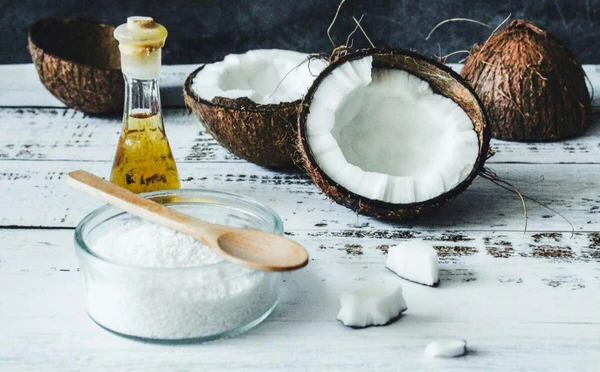
Totally normal.
Coconut oil melts around 76°F (24°C). So depending on the season, your kitchen, or your AC settings—it’ll go back and forth. That doesn’t mean it’s bad.
But if it melts and starts separating, smelling weird, or turning yellow, that’s a different story.
How to Store Coconut Oil So It Lasts
Coconut oil is low-maintenance—just follow these tips to keep it fresh longer:
Keep It Cool
Store in a cabinet or pantry, not near the stove or window. Room temp (around 70°F) is perfect.
Avoid Light
Dark glass or opaque containers help. If yours came in clear plastic, just be extra careful to keep it out of sunlight.
Seal It Tight
Screw the lid on snugly. Don’t leave it half-open or uncovered.
Use Clean, Dry Utensils
Seriously, this makes a huge difference. Moisture and crumbs introduce bacteria that cause spoilage.
How Coconut Oil Compares to Other Oils
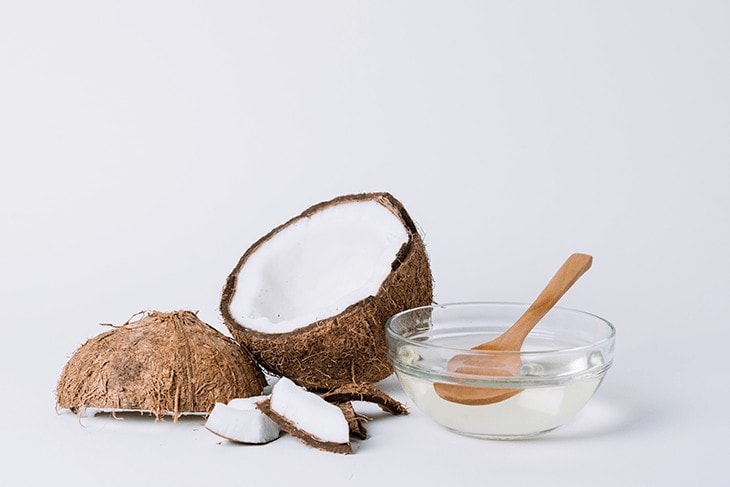
Wondering how coconut oil stacks up against the competition? Here’s a quick cheat sheet:
| Oil Type | Shelf Life | Smoke Point | Best For |
| Coconut | 1.5–2 years | 350°F (unrefined), 400°F (refined) | Cooking, baking, beauty |
| Olive | 12–18 months | 375°F | Salad dressings, sautéing |
| Avocado | 9–12 months | 520°F | High-heat cooking |
| Flaxseed | 6–12 months | 225°F | Cold use only |
| Vegetable | 6–12 months | 400–450°F | Frying |
Coconut oil wins for versatility and shelf life—but it’s not the best choice for super high-heat
How to Choose the Right Coconut Oil
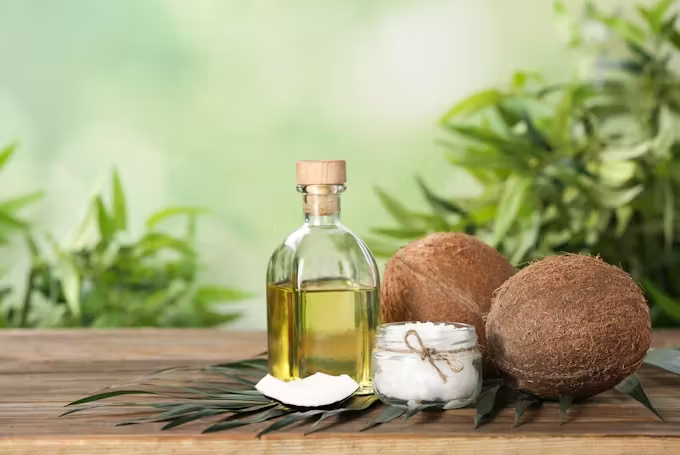
Not all coconut oils are created equal. Here’s what to look for when buying:
Refined vs. Unrefined
- Refined:
- Neutral smell and taste
- Higher smoke point
- Great for cooking
- Neutral smell and taste
- Unrefined (aka Virgin or Extra Virgin):
- Mild coconut scent and flavor
- Cold-pressed from fresh coconut
- Better for skin, hair, and baking
- Mild coconut scent and flavor
Organic vs. Non-Organic
- Organic = no synthetic pesticides or GMOs
- Not a must for everyone, but worth it if you’re applying it topically or eating it regularly
Cold-Pressed vs. Expeller-Pressed
- Cold-pressed: No heat used = retains more nutrients and antioxidants
- Expeller-pressed: Higher temp = slightly less delicate, but still good
Check for Additives
Avoid coconut oils with added fragrance, preservatives, or colorants. Always read the label.
Smart Ways to Use Expired Coconut Oil

Okay, so your oil’s past its prime. It’s not moldy or toxic, but it smells a little… off. Can you still use it? Yes—just not in food.
Here are a few non-edible ways to use coconut oil that’s a little past its peak:
1. Body Scrub Base
Mix with sugar or coffee grounds for a DIY exfoliator.
2. Furniture Polish
Buff wooden surfaces to bring out their natural shine.
3. Lip Balm or Cuticle Oil
Apply to dry areas if the texture and smell are still tolerable.
4. Shaving Cream Alternative
Use on legs or underarms for a smooth glide.
5. Leather Conditioner
Use a soft cloth to rub it into leather boots, bags, or jackets.
Wrapping Up
Coconut oil is one of those rare, magical products that actually lives up to the hype. But like anything natural, it doesn’t last forever.
Now you know:
- Yes, coconut oil can go bad.
- No, it doesn’t have to—if you store it right.
- And yes, there are still ways to use it even if it’s past its prime (just not in your food, please).
Keep it cool, keep it sealed, and keep it clean—and your coconut oil will stay fresh for a long time.
Because skincare, smoothies, and Sunday morning pancakes all deserve the best.
Frequently Asked Questions
Can I refrigerate coconut oil?
Yes, especially if you live in a hot climate. Just remember, it’ll get super firm in the fridge. You’ll need to warm it up slightly to scoop it.
Is it safe to use coconut oil after the expiration date?
If it smells, looks, and feels normal—it’s likely okay for non-food use. But for eating or skincare, it’s best to play it safe.
What’s the difference between virgin and extra virgin coconut oil?
Nothing. It’s just marketing. “Virgin” and “extra virgin” mean the same thing when it comes to coconut oil—unrefined, cold-pressed, and minimally processed.
Can rancid coconut oil make you sick?
It won’t necessarily send you to the ER, but it can cause inflammation, digestive issues, or skin irritation. And it tastes awful. Just toss it.





Leave a comment