


Pregnancy is a unique time when nutrition and hydration become incredibly important for both the mother and the baby. Among the many beverages available, coconut water has gained popularity for its refreshing taste and potential health benefits. But is drinking coconut water during pregnancy safe?
This guide will explore what coconut water is, its benefits, potential risks, and how to safely incorporate it into your diet while pregnant.
Understanding Coconut Water

What Is Coconut Water?
Coconut water is the clear liquid found inside young, green coconuts. It’s different from coconut milk, which is made by grating the coconut flesh and mixing it with water. Think of coconut water as nature’s sports drink.
It’s naturally refreshing and contains electrolytes, making it a popular choice for hydration. It’s been used for centuries in tropical regions as a natural beverage and even for digestive support in some cultures.
Nutritional Profile of Coconut Water
Coconut water is packed with nutrients that can be beneficial during pregnancy. Here’s a quick look at what it offers:
- Electrolytes: Potassium, sodium, and magnesium.
- Vitamins: Contains small amounts of vitamins like vitamin C.
- Minerals: Calcium, iron, and phosphorus.
- Carbohydrates: Natural sugars for energy.
Coconut Water vs. Coconut Milk
It’s easy to confuse coconut water with coconut milk, but they are quite different. Coconut water is the clear liquid directly from the coconut, while coconut milk is processed from the flesh.
Here’s a simple comparison:
| Feature | Coconut Water | Coconut Milk |
|---|---|---|
| Source | Clear liquid inside young coconuts | Processed from coconut flesh |
| Consistency | Thin and watery | Thick and creamy |
| Nutritional Info | Lower in calories and fat, higher in electrolytes | Higher in calories and fat, lower in electrolytes |
Coconut water is a better choice for hydration and electrolyte replenishment, while coconut milk is often used in cooking for its creamy texture and flavor.
Remember to choose fresh, natural sources of coconut water over processed varieties to avoid added sugars and preservatives.
Is Coconut Water Safe to Drink When Pregnant?

When you’re pregnant, what you eat and drink is super important. So, it’s natural to wonder if coconut water is a good choice. Let’s break down the safety aspects.
Safety of Pasteurized Coconut Water
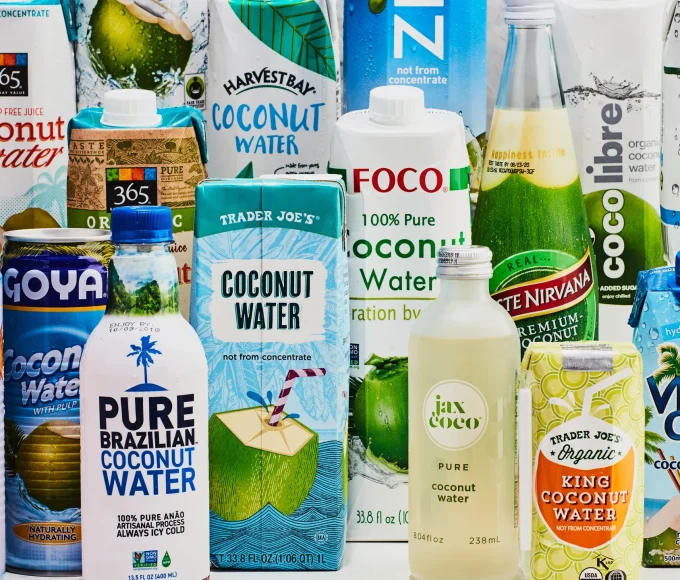
Commercially sold, pasteurized coconut water is generally considered safe during pregnancy. Pasteurization involves heating the coconut water to kill any harmful bacteria. Look for brands that use heat treatment or microfiltration.
These processes help ensure the product is free from microorganisms that could cause illness. Reputable companies also have strict protocols for storage and transport, further reducing the risk of contamination.
Risks of Unpasteurized Coconut Water
Unpasteurized coconut water could harbor dangerous bacteria. It’s best to avoid it when you’re pregnant. If you’re unsure about a brand’s safety precautions, it’s always better to err on the side of caution.
Here’s a quick guide:
- Pasteurized: Safe
- Microfiltered: Typically safe
- Unpasteurized/Unfiltered: Avoid
Consulting with Healthcare Providers
It’s always a good idea to chat with your doctor or a registered dietitian about your diet during pregnancy. They can give you personalized advice based on your health history and needs. If you have any concerns about pregnancy and diet, don’t hesitate to reach out to a healthcare professional.
Benefits of Drinking Coconut Water During Pregnancy

Coconut water has become a go-to drink for many pregnant women, and it’s easy to see why. It’s refreshing, tastes good, and is often touted for its health benefits. But what are the real advantages of drinking coconut water during pregnancy?
Let’s take a closer look.
Hydration and Electrolyte Balance
Staying hydrated is super important when you’re pregnant. Your body needs more fluids to support both you and your baby. Coconut water is a great way to hydrate because it’s full of electrolytes like potassium, sodium, and magnesium. These electrolytes help keep your fluid levels balanced, which is important for preventing dehydration.
Dehydration during pregnancy can lead to complications, so drinking coconut water can be a tasty way to stay on top of things. It’s way better than reaching for sugary drinks that don’t offer much in the way of actual benefits. Proper hydration also helps with things like preventing headaches and keeping your energy levels up.
Nutrient-Rich Beverage
Coconut water isn’t just water; it’s packed with nutrients. It contains vitamins like vitamin C, which is great for your immune system, and B vitamins, which help with energy production. Plus, it has minerals like calcium and phosphorus, which are important for bone health.
All these nutrients can help you meet the increased nutritional demands of pregnancy. It’s a natural and delicious way to get some extra vitamins and minerals into your daily diet.
Digestive Health Support
Pregnancy can sometimes mess with your digestive system, leading to issues like constipation and bloating. Coconut water can help with that. It acts as a natural diuretic, which means it can help promote healthy digestion and regular bowel movements.
The potassium in coconut water can also help reduce bloating and gas, which are common complaints during pregnancy. Drinking coconut water regularly might just keep your digestive system running smoothly, offering a natural way to deal with some of those uncomfortable pregnancy symptoms.
How to Include Coconut Water in Your Diet While Pregnant?

Recommended Serving Sizes
Okay, so you’re thinking about adding coconut water to your pregnancy diet? Great! But how much is too much? It’s a fair question. While coconut water is generally safe, moderation is key. A good starting point is one to two cups (8-16 ounces) per day. This amount allows you to enjoy the benefits without overdoing it on the potassium or natural sugars.
Listen to your body – if you notice any discomfort, cut back. Also, if you have gestational diabetes, definitely chat with your doctor about appropriate serving sizes, as coconut water does have a moderate glycemic index.
Creative Ways to Enjoy Coconut Water
Let’s be real, drinking plain coconut water every day can get a little boring. Luckily, there are tons of ways to spice things up! Here are a few ideas:
- Smoothies: Blend coconut water with your favorite fruits like berries, bananas, or mangoes for a refreshing and nutritious smoothie. Add some spinach or kale for an extra boost of vitamins.
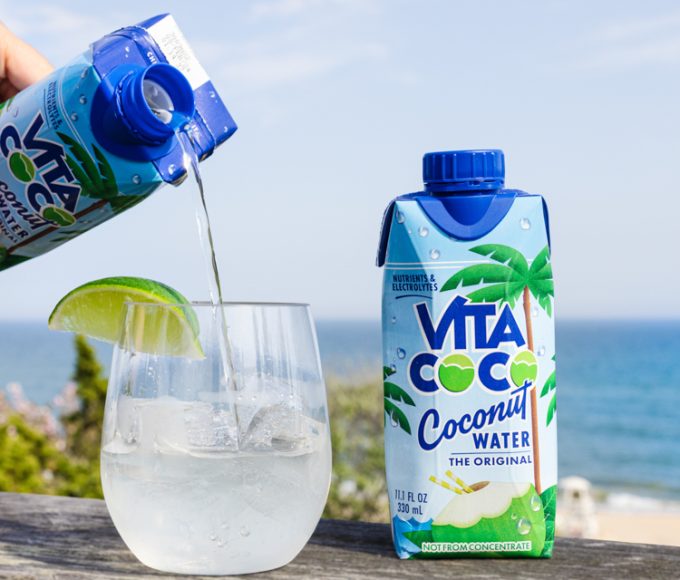
- Mocktails: Create pregnancy-safe mocktails by mixing coconut water with sparkling water, a splash of lime juice, and some muddled mint. It’s a great way to feel like you’re indulging without any of the guilt.
- Ice Cubes: Freeze coconut water into ice cubes and add them to your regular water for a subtle coconut flavor and extra hydration. This is especially nice during those hot summer months.
- DIY Electrolyte Drink: Make your own DIY Labor-Ade by combining coconut water with a pinch of salt, a squeeze of lemon or lime, and a touch of honey. This can help replenish electrolytes lost through sweat, especially if you’re active.
Combining Coconut Water with Other Foods
Coconut water isn’t just a standalone drink; it can also be a fantastic ingredient in various recipes. Think about using it in:
- Soups and Stews: Add coconut water to your favorite soup or stew recipes for a subtle sweetness and added hydration. It works particularly well in Asian-inspired dishes.
- Marinades: Use coconut water as a base for marinades for chicken or fish. The electrolytes can help tenderize the meat and add a unique flavor.
- Rice Dishes: Cook rice with coconut water instead of regular water for a fragrant and flavorful side dish. This is a popular technique in many tropical cuisines.
Potential Risks and Considerations
While coconut water can be a refreshing and potentially beneficial drink during pregnancy, it’s important to be aware of some possible risks and considerations. It’s not all sunshine and coconuts, you know?
High Potassium Levels
Coconut water is naturally high in potassium. For most people, this is a good thing, but excessive potassium intake (hyperkalemia) can be problematic, especially for individuals with kidney issues or those taking certain medications.
If you have any pre-existing health conditions, it’s a good idea to check with your doctor about how much potassium is safe for you.
Allergic Reactions
Although not super common, allergic reactions to coconut are possible. If you’ve never had coconut water before, start with a small amount to see how your body reacts. Look out for symptoms like:
- Itching or hives
- Swelling of the face, lips, or tongue
- Difficulty breathing
If you experience any of these, stop drinking coconut water immediately and seek medical attention.
Impact on Blood Sugar Levels
Coconut water contains natural sugars. While it’s generally lower in sugar than many fruit juices, it can still affect blood sugar levels. If you have gestational diabetes or are at risk of developing it, it’s important to monitor your blood sugar levels after drinking coconut water.
Final Thoughts on Coconut Water During Pregnancy
In summary, coconut water can be a tasty and hydrating choice for pregnant women. It’s packed with nutrients and can help with hydration, which is super important during pregnancy. Just remember to stick to pasteurized or microfiltered options to avoid any health risks.
While it has its perks, moderation is key. If you have any concerns or specific health conditions, chatting with your doctor or a dietitian is a smart move. Enjoying coconut water can be part of a balanced diet, but always prioritize safety for you and your baby.
Frequently Asked Questions
Is coconut water safe to drink while pregnant?
Yes, pasteurized coconut water is safe to drink during pregnancy. It’s important to avoid unpasteurized varieties, as they may contain harmful bacteria.
What are the benefits of coconut water during pregnancy?
Coconut water helps keep you hydrated, provides essential nutrients, and can aid digestion.
How much coconut water can I drink while pregnant?
It’s best to stick to moderate amounts, like one cup a day, but always check with your doctor for personalized advice.
Can coconut water cause any side effects during pregnancy?
Some potential side effects include high potassium levels or allergic reactions. It’s important to monitor how your body reacts.





Leave a comment